Techonology
Techonology
Technology in the Victorian Era
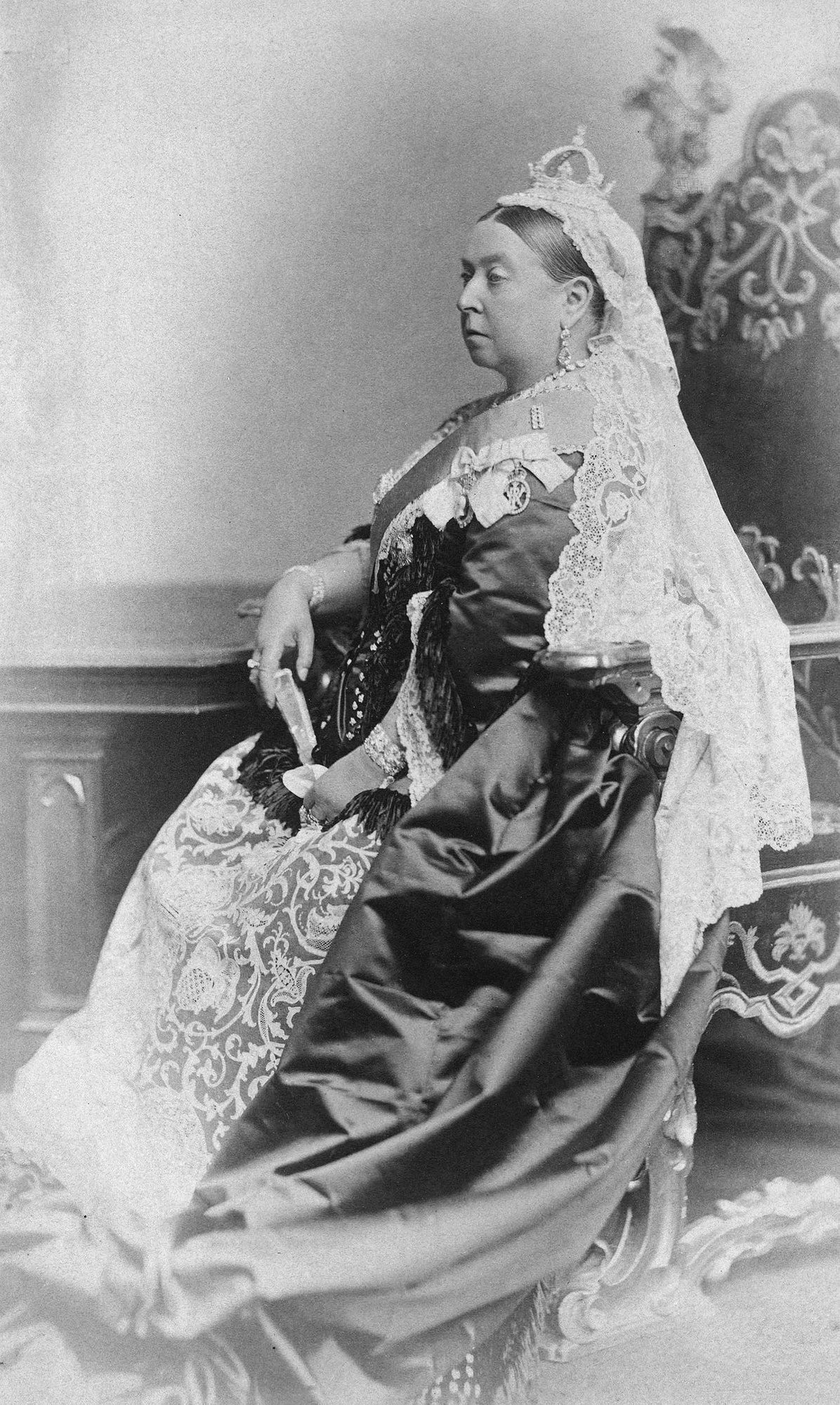
What is the Victorian Era?
The Victorian Era is a time period starting from 1837 to 1901. During this period, Queen Victoria ruled the British
Empire. The Victorian Era marked the British Industrial Revolution. This is where many inventors fabricated tools
and inventions which are the basis of many of the things we use today. Also, engineers took a big role in this
period. They designed new systems of transportation and even a way to keep the streets less polluted. We know
this system now as the sewage system. Without the inventors, engineers, and scientists of this period, it might
have taken longer to invent many of the daily tools we use today.
|
Sewage System |
Joseph Bazalgette |
|
Electric Light Bulb |
Thomas Edison |
|
Safety Elevator |
Elisha Graves Otis |
|
Internal Combustion Engine |
Henry Ford |
|
Lockstitch Sewing Machine |
Isaac Singer |
|
Celluloid |
John Hyatt |
|
Steel Cable |
John Roebling |
|
Telegraph |
Samuel Morse |
|
Telephone |
Alexander Graham Bell |
|
Sewing Machine |
Elias Howe |
|
Bicycle |
The Michaux Family |
For more information on these inventions, please follow this link.
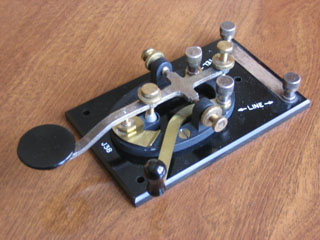
The Telegraph
The telegraph is defined as a system that allows the communication across distances using signs or sounds. It was
invented by Samuel F. B. Morse in 1836. The system was consisted of dots and dashes that stood for words, letters, and
numbers. This style of writing is now known as the Morse Code. The earliest forms of telegraphs used lights or flags to stand
for words.
When Morse demonstrated his telegraph in Baltimore in 1844, he set up a electrical line that crossed from Baltimore to the
capitol in Washington D.C. The public and Congress were all unsure about the telegraph at first, but when Morse's message,
"What hath God wrought", reached the capitol, everybody was in awe. Samuel Morse received a patent for his telegraph in
1847. His telegraph became the standard for European telegraphy because it was the most reliable and easiest to use
compared to the other communication tools.

Bonus information about the telegraph can be found here
The Telephone
In 1831, there was an English scientist, named Michael Faraday, who proved that vibrations of metal could be changed into
electrical impluses. This was the basic technology of the telephone , although no one actually used the system until 1861.
Alexander Graham Bell was the first person to patent the telephone in March 10, 1876, so he is often credited as the inventor.
Charles Bours Bourseul, Antonio Meucci, and many others who were in the process of inventing the telephone. The inventor
situation was debated many times, but Bell is now known as the true inventor.
There was a famous story about the first telephone that took place on March 6th, 1876. When Bell said to his assistant
Thomas Watson in another room, "Come here Watson, I want to see you", Watson had recieved the signal through a
receiver connected to a transmitter that Bell had designed. After this first official phone call occured, the Bell Telephone
Company, later AT&T, had been found, which later grew to become the largest telephone company in the world

To find out more about Alexander Graham Bell, click here.
Safety Elevator
Imagine going up a twenty story building using the stairs. Many people these days just say to take the elevator. Well elevators
might have not been around for too long if it was not for this man named Elisha Graves Otis. In 1853, Otis made the first safety
elevator. His designs are similar to elevators today. In his elevator, the cab could not fall if the cable ended up breaking, which
made the elevators completely safe. His demonstration in New York in 1854, impressed many people and helped put their trust
in the new elevator.
The first passenger elevator was installed by Otis in New York in 1857 After he had died in 1861 his sons, Charles and Norton
Otis kept the industry going by creating Otis Brothers and Co. in 1867. By 1873 over 2,000 Otis elevators were in offices, hotels,
and department stores across the world. They were also installed in important buildings such as the Eiffel Tower. Now, the Otis
Elevator Company is the world's largest elevator transportation system

To read about the progression of elevators, click here.
The Electric Light Bulb
The electric light bulb was invented in 1879 by Thomas Edison. When he first went for his patent, his light bulb lasted for
13.5hours, but as he kept improving his design, Edison and his team found a bamboo filament that lasted over 1200 hours.
Edison made gas lighting become second nature topeople. Gas and equipment became a profitable operation. Even though
the appearance of the lightbulb has changed over the years, the structure has remained the same. Edison then founded the
Edison Electric Light Company. His first demonstration of his light bulb was in Menlo Park which was very successful. All thanks
to Thomas Edison, we do not have to burn candles for light anymore.

Click here for more information.
In the Victorian Era tbere were many inventions invented that have made an impact on our lives today. Our everyday life
consists of the telephone, the sewage system, and most importantly the electric light bulb. These inventions were great
ideas that later evolved into the technology that we use today. In conclusion, the Victorian Era was the start of technology,
and all the inventors or this technology changed our lives forever, and our greatly appreciated.
Works Consulted
"Victorian Era." Wikipedia, the Free Encyclopedia. 3-March-2008. March 3, 2008. <http://en.wikipedia.org/wiki/ Victorian era>
"Samuel F. B. Morse." Wikipedia, the Free Encyclopedia. 2-March-2008. March 3, 2008. <http://en.wikipedia.org/wiki/Samuel_Morse>
"Samuel F. B. Morse." Inventor of the Week: Archive. July 2002. March 3, 2008. <http://web.mit.edu/invent/iow/morse.html>
"Science and Technology." Eras of Elegance. Unknown. March 3, 2008. <http://www.erasofelegance.com/history/victorianscience.html>
"The Invention of the Telegraph." Samuel Morse Papers.10-October-2001. March 3, 2008. <http://memory.loc.gov/ammem/sfbmhtml/sfbmtelessay.html>
"Alexander Graham Bell." Wikipedia, the Free Encyclopedia. 3-March-2008. March 3, 2008. <http://en.wikipedia.org/wiki/Alexander_Graham_Bell>
"Elevator." Wikipedia, the Free Encyclopedia. 2-March-2008. March 3, 2008. <http://en.wikipedia.org/wiki/Elevator>
"Thomas Edison." Wikipedia, the Free Encyclopedia. 3-March-2008. March 3, 2008. <http://en.wikipedia.org/wiki/Thomas_Edison>
By: Nicole Boeckle and Melissa DiMeglio


Коментарі
Дописати коментар